


Psychological counseling for parents
Support in difficult educational, developmental, and emotional situations
Psychological support for parents
Parenting does not come with an instruction manual. However, there are times when it is worth talking to someone who can help you sort out the situation, understand your child's behavior, and make sensible decisions. Psychological counseling for parents is a form of professional, short-term support aimed at adults who are struggling with parenting, emotional, or relationship difficulties in the family. Psychological counseling is a form of consultative support for parents, consisting of identifying the child's problem and providing information, guidance, and recommendations on how to proceed, without the child's participation in the session.
When is psychological counseling for parents and guardians a good choice?
-
Counseling is needed when the family structure changes and the child has to find their place in it.
How to tell your child about the breakup?
What should you say, and what should you never say under any circumstances?
How can you avoid involving your child in adult conflicts?
How to respond to feelings of guilt, anger, or "taking sides"?
The primary goal is to maintain a sense of stability and security for the child, even when the family structure changes.
-
Death in the family is an extreme situation for a child, even if they "seem to be coping well."
How to talk about death in an age-appropriate way?
Which reactions are normal and which should be cause for concern?
What to do with questions about dying, heaven, meaning, and fear?
How not to deny a child's emotions, even if they are difficult for an adult?Counseling helps parents organize their conversations and reactions so that their child has clear, calm support in experiencing grief.
-
Classic number one: "My child tried it, and now I don't know what to do."
How to react after the first incident?
What should you absolutely not do (shouting, moralizing, blind punishment)?
How to talk without closing off communication?
When is it still an experiment, and when is it already a warning sign?Counseling helps you choose a response that strengthens the conversation, clearly sets boundaries, and allows you to stop the situation at an early stage.
-
Comments, conflicts, aggression, withdrawal, decline in grades.
How to respond as a parent, rather than as another "punishment system"?
How not to exacerbate the problem with excessive control?
What to check: the child, school, relationships, overload?
When does cooperation with the school make sense, and when does it do harm?The aim of counseling is to organize the situation and select measures that will provide real support to the child in their everyday functioning.
-
The topic that embarrasses adults the most, but children experience it anyway.
Masturbation, curiosity about the body, questions about sex.
What is normal development?
What is a sign that it is worth responding to?
How to talk without scaring or embarrassing?Counseling helps parents gain clarity and peace of mind when discussing development, ensuring that the child receives appropriate and safe messages.
-
"Something has changed, and I don't know if it's just a phase or a problem."
Withdrawal, irritability, aggression, anxiety.
What to observe and what not to interpret forcefully?
When to react immediately and when to give time?
How not to overlook important signals, but also not to panic?Counseling allows you to calmly assess the situation and choose a response that is appropriate to what is actually happening with your child.
These are just a few examples of situations that parents most often seek support for.
Every family and every child is different, which is why counseling always refers to the specific situation you are currently in.
If something worries you, raises questions, or you simply want to make sure you are responding in the right way, you don't have to know everything right away.
In counseling , we help you sort out the situation, name what is happening, and choose calm, sensible actions that support both the child and the parent.
Sometimes, all it takes is one conversation to regain clarity and the feeling that you know what to do next.
What distinguishes psychological counseling from traditional therapy, and why is it important to know this?
-

Counseling
- the person directly affected by the problem is not present at the session,
- we work with the parent/guardian about the child,
- the child is the subject of the conversation, not a participant in the process,
- it is consultative and directive in nature,
- it is based on: identifying the problem, diagnosing the situation, providing information, guidance, and ready-made recommendations,
shortening the path from problem to action. -
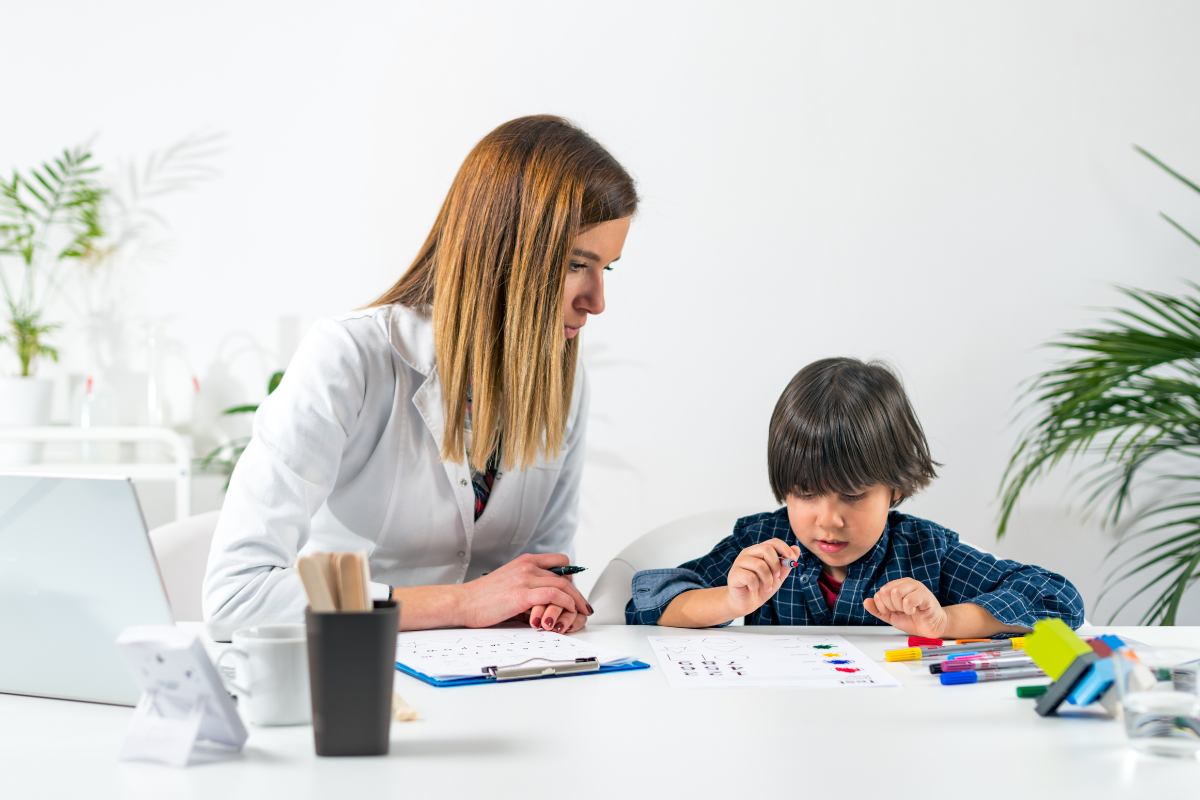
Therapy
- the person concerned is present at the session,
- we work with the child/teenager about themselves,
- the child has space for experience, insight, and change,
- the person independently gains insight, becomes aware of mechanisms, changes the way they experience and react,
- the therapist does not provide ready-made solutions, but creates conditions for change. Unless dictated by special circumstances, it is process-oriented and non-directive.
Length and format of the meeting

50-minute consultation
It works well when it comes to one specific difficult behavior of a child, a single parenting decision, or a short crisis. It gives you space to sort out the situation, understand what is currently happening, and get clear and practical recommendations. It can also be a good choice if it is a follow-up meeting and we are already working on a previously discussed topic.
When you have a specific problemIf you are unsure which option to choose, we will help you decide before the meeting.
90-minute consultation
We recommend it in more complex situations, when there are several problems and a deeper understanding of the mechanisms behind the child's behavior is important. The longer time allows for a calm discussion of the broader context and, if necessary, on-site review of the child's medical records. For this reason, it is a form particularly recommended for the first meeting, when the situation requires a more complete understanding.
For more complex situationsCounseling in the office
A live meeting in a calm, safe space. This format is chosen by parents who prefer direct contact and want to step outside their everyday environment for a moment to look at the situation with more distance.

Online counseling
It takes the form of a video consultation and offers greater flexibility. This solution is ideal for parents outside Warsaw, people with limited time, or those who want to take advantage of support without having to travel.
Parentscan only give good advice or point their children in the right direction, but ultimately, it is up to the individual to shape their own character.